

We get this question a lot:
“Should I use an expander ball or a mandrel to set neck tension?”
Both tools get talked about interchangeably but they actually work very differently. Understanding that difference can make a real impact on consistency, brass life, and accuracy.
Here’s the short answer: There’s no single “right” choice — only what’s right for YOUR process.
Let’s clear up the confusion.
The Real Difference
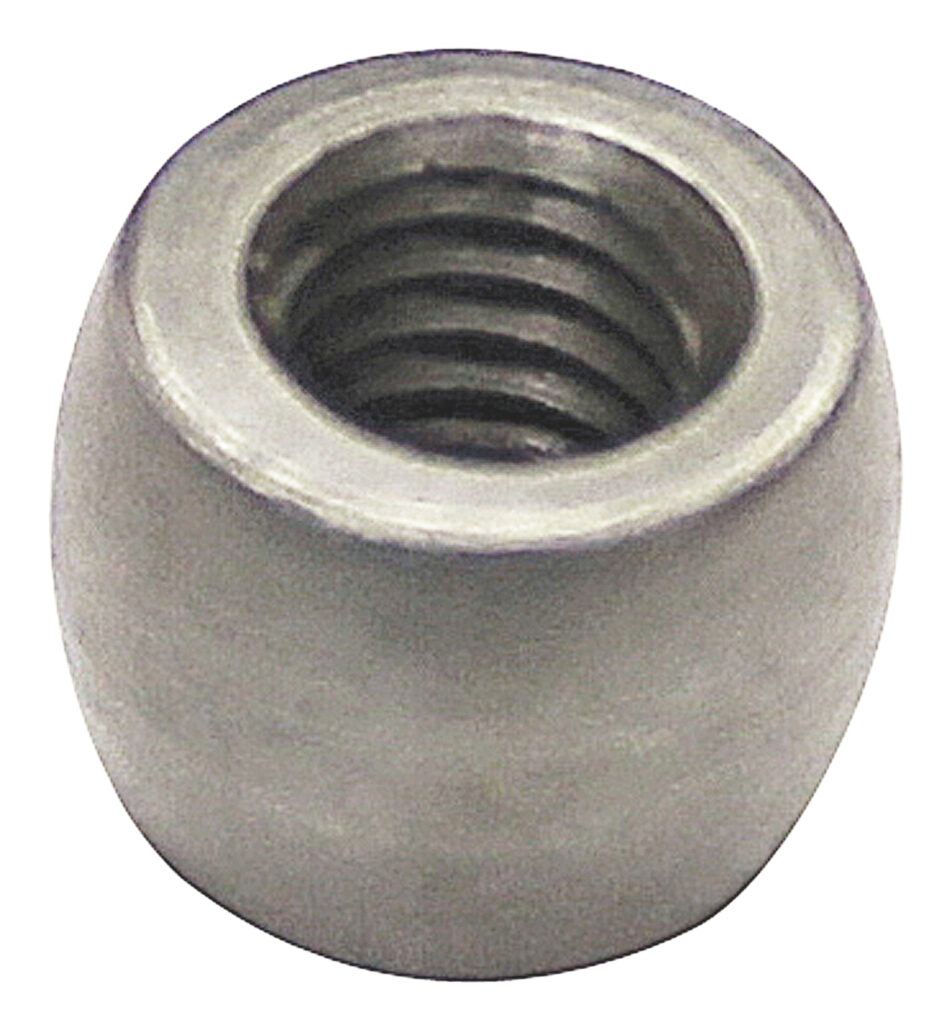
Expander Ball
- Works during the sizing step
- Case neck sized smaller, then pulled back through the expander
- Fully supported inside the die for better alignment
- Fast, one-step operation
- Neck tension adjustable by swapping expanders
Mandrel
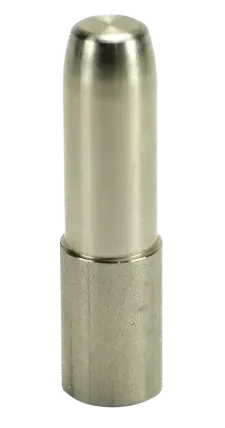
- Used in a separate step after sizing
- Pushed into the neck to a precise diameter
- Offers extremely fine adjustments (including half-thousandth increments)
- Can be used across multiple cartridges
Which Method Is “Better?”
It depends entirely on what you’re doing.
Choose an expander ball if you want faster reloading with fewer steps, excellent concentricity, minimal brass working, and simple neck-tension adjustment.
Choose a mandrel if your priority is maximum control through fine adjustments — especially when necking brass up or down for wildcat cartridges or during dedicated load-development testing.
One Key Factor Many Loaders Overlook
Regardless of your tool choice, consistency begins with how much you size the neck down in the first place.
- Over-sizing the neck and then expanding too much increases brass movement and reduces consistency.
- Light sizing followed by fine adjustment — whether by mandrel or expander — produces better results.
Less brass working = better consistency and longer case life.
What About Bushing Dies?
Bushing dies control how much the neck is reduced — but it’s still your mandrel or expander that ultimately sets final neck tension. Bushings don’t eliminate the need to expand or uniform the inside diameter if ultimate concentricity is your goal.
So…What Does Forster Recommend?
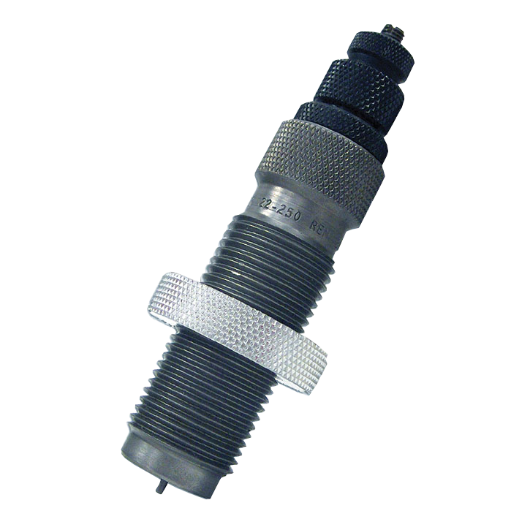
For most reloaders, we recommend using the expander ball built into your Forster sizing die. It provides full neck support during sizing, excellent concentricity, true one-step efficiency, easy neck-tension adjustment via interchangeable expanders, and less brass handling overall — meaning less fatigue and longer brass life.
Mandrels absolutely have their place, especially for wildcatting and focused load development. But for everyday reloading — whether you’re hunting, shooting PRS, or producing consistent match ammo — the modern expander system is tough to beat.
At the end of the day, your shooting distance, cartridge, brass quality, and goals should guide your choice. There’s no cookie-cutter solution — only what delivers the best consistency for your process.
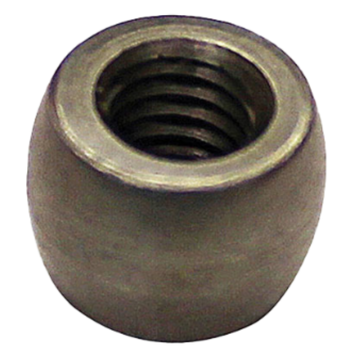
Expander Balls
Want the full details and discussion? Watch our podcast to dive deeper into expanders, mandrels, and dialing in neck tension.