

If you’ve ever noticed dents, rings, or marks on your bullets during seating—you’re not alone.
It’s one of the most common frustrations reloaders run into, and in many cases, it’s not the seating stem at all—it’s the force required to seat the bullet.
What’s Really Causing Bullet Damage?
When excessive force is required to seat a bullet, it can lead to:
- Dented or deformed projectiles
- Visible rings or marks
- Premature wear on your seating stem
So the real question becomes—what’s driving that force?
What We Tested
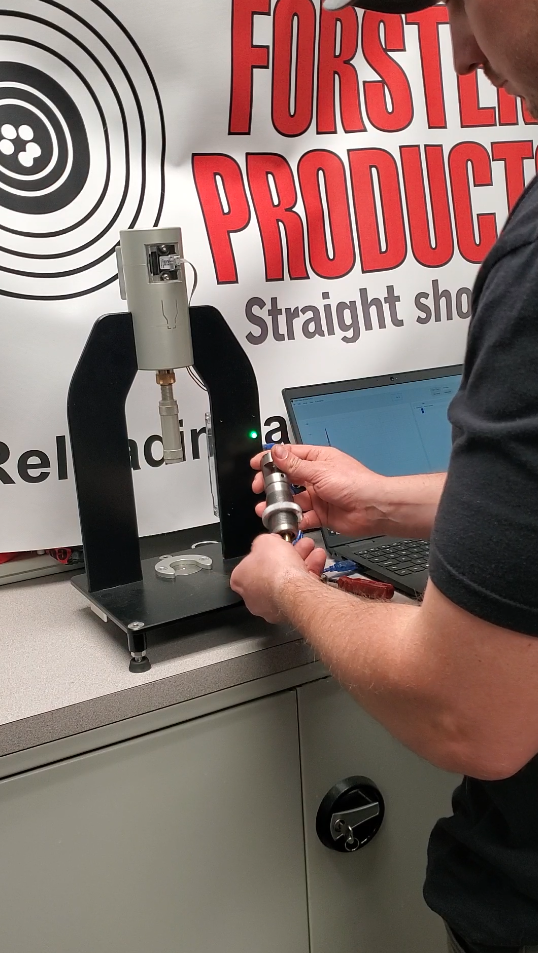
Using the AMP Press, we ran a series of tests to better understand how different variables impact seating pressure, including:
- Neck tension
- Bullet design
- Brass manufacturers
- Sizing techniques and expanders
What We Found
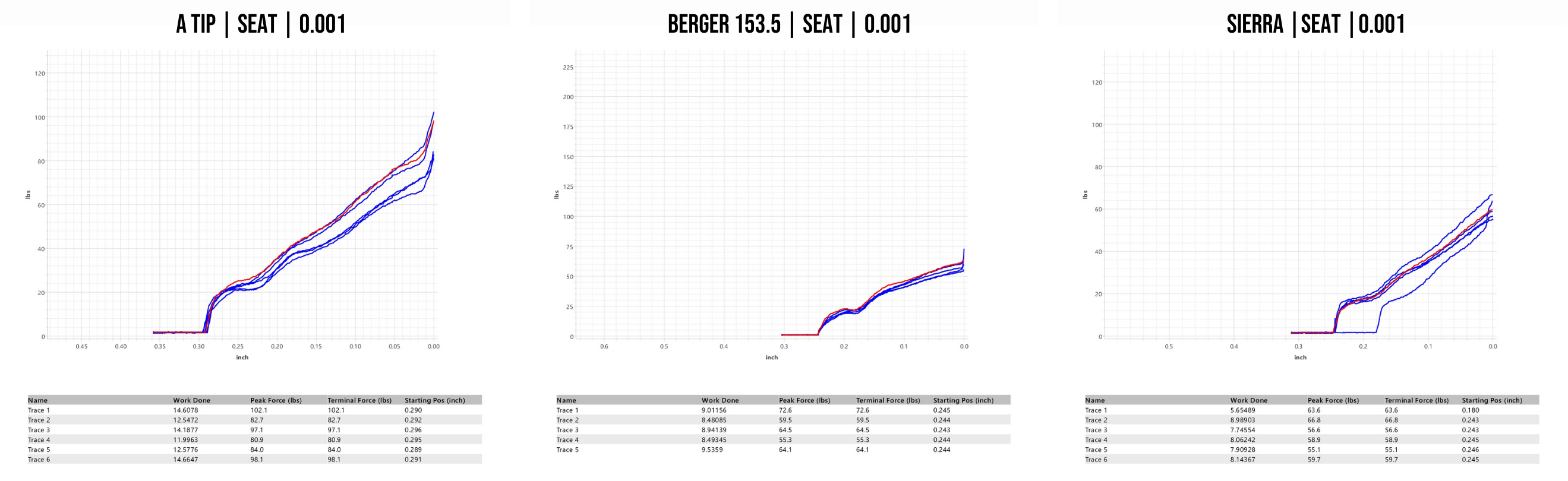
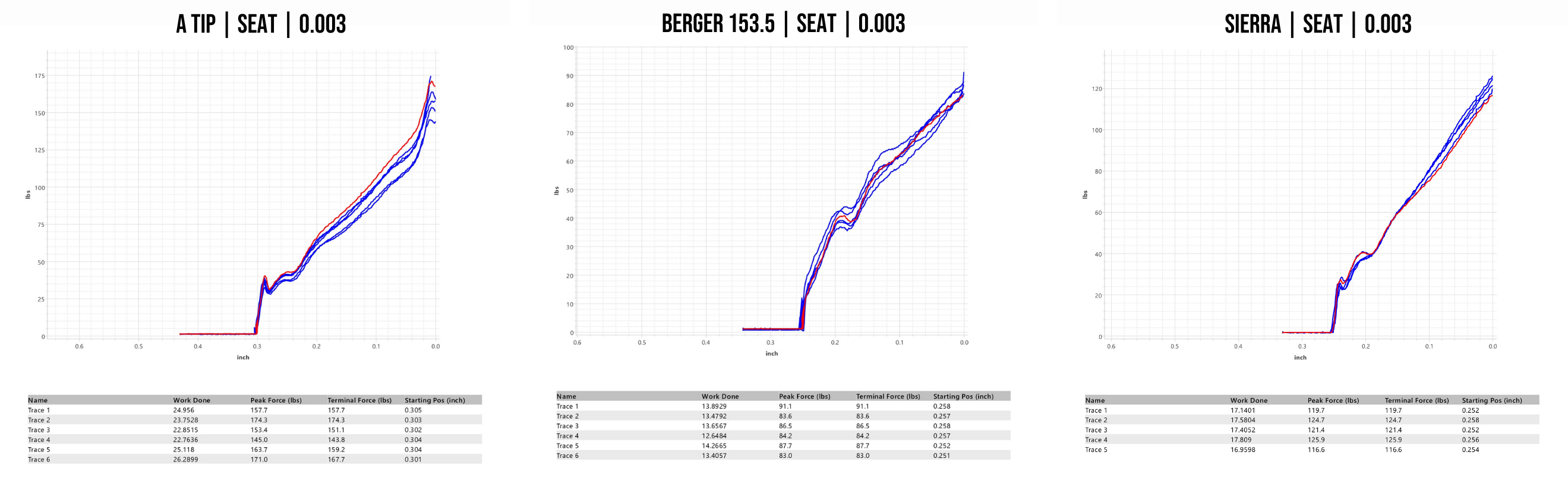
Here’s what seating force actually looks like:
1. Bullet design plays a bigger role than you might think
Some bullets naturally require more force to seat—regardless of your setup. Longer bullets, in particular, tend to have less internal support, making them more prone to deformation under pressure.
2. Neck tension directly affects seating force
Reducing neck tension consistently lowered seating force across our tests.
- Higher tension = more force = higher risk of damage
- Lower tension = less force = smoother seating
3. How you clean your brass can make a difference
We found that brass cleaned with wet tumbling tended to require more force to seat bullets compared to brass that was dry tumbled.
Our thinking is that wet tumbling can leave the inside of the neck extremely clean, which may increase friction and result in higher seating force.
4. There’s a “sweet spot” to aim for
While lighter neck tension can help prevent bullet deformation, going too light can create inconsistency and retention issues.
In our testing:
- Around .002″–.003″ tension worked well for most reloaders
- .001″ tension significantly reduced seating force and helped prevent markings on certain bullets
- Going as low as .0005″ led to inconsistent results and is not recommended
5. There’s a clear threshold to watch
Once seating force climbs past ~125 lbs, your chances of bullet damage increase significantly.
We also found that the force required to remove a bullet was 16–38% higher than the force required to seat it.
What This Means for Your Reloading Process
If your current setup is working—there’s no need to change it.
But if you’re seeing bullet marks or inconsistent seating:
- Consider slightly reducing neck tension
- Make adjustments in small increments
- Pay attention to your brass prep process (including how you clean it)
- Use proper measuring tools to stay consistent
For those using Forster sizing dies, adjusting neck tension can be as simple as selecting the right expander ball to match your desired results.
The Bottom Line
Bullet deformation often comes down to excessive seating force—driven by a combination of neck tension, bullet design, and even brass preparation.
By dialing in these variables, you can:
- Reduce bullet damage
- Improve consistency
- Create a smoother seating process
Have questions or want help dialing in your setup? We’re always here to help.